Blog ·
Understanding Your Solar Panel Warranty: What's Really Covered
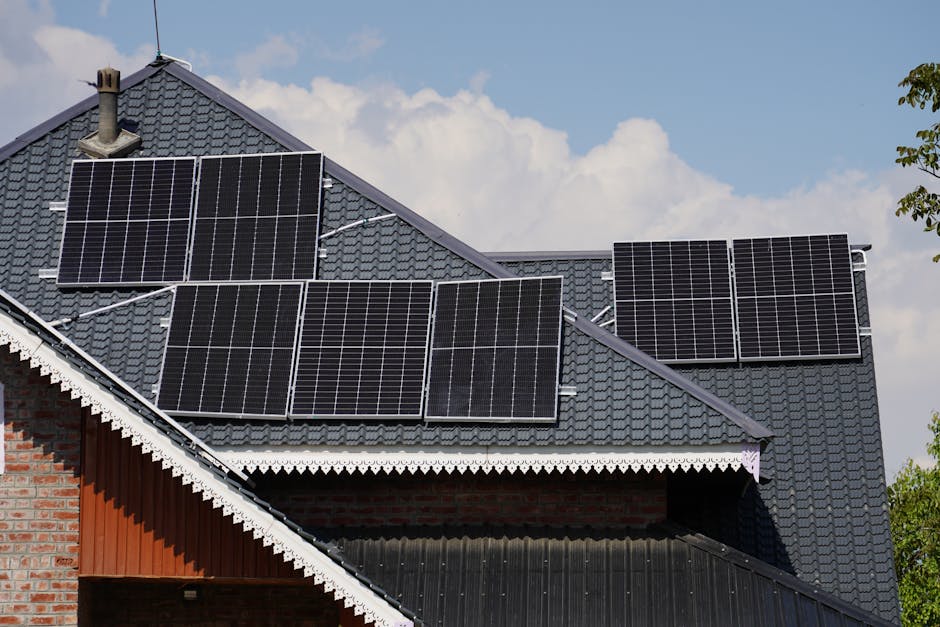
Solar panel warranties protect your investment, but many homeowners misunderstand what coverage actually includes. Knowing the details of your warranty helps you make informed decisions and properly maintain your system.
Most solar panels come with two distinct warranties: a product warranty and a performance warranty. The product warranty, typically lasting 12 years, covers manufacturing defects and equipment failures. It protects you if a panel develops physical damage like cracks or electrical faults within the component itself. The performance warranty, usually spanning 25 years, guarantees that your panels maintain at least 80 to 85 percent of their original capacity after 25 years. This gradual degradation is completely normal, which is why performance warranties allow for expected efficiency decline.
Important distinctions exist about what warranties don't cover. Damage from extreme weather events like hail or lightning typically requires separate homeowner's insurance claims rather than solar panel warranties. Improper installation, poor maintenance, or damage from accidents generally falls outside warranty protection. This is why choosing qualified installers matters significantly.
Your installer's workmanship warranty differs from the panel manufacturer's warranty. The installation warranty usually covers labor and system components for five to ten years, depending on your contract. This covers issues like faulty wiring, poor connections, or improper mounting. Make sure you understand the distinction between what the panel manufacturer covers and what your installer guarantees.
Regular maintenance helps preserve warranty coverage. Many solar contracts require homeowners to perform reasonable maintenance like removing debris or clearing snow buildup. Neglecting basic upkeep could potentially void coverage for related issues. Review your warranty documentation to understand specific maintenance expectations.
Documentation is crucial for warranty claims. Keep your solar installation paperwork, performance monitoring records, and maintenance logs organized. If you need to file a claim, this documentation proves your system was properly maintained and establishes when issues occurred.
Transferability matters if you're planning to sell your home. Many warranties transfer to new homeowners, though some require notification to the warranty provider. Understanding transferability helps communicate your solar system's long-term value to prospective buyers.
Battery warranties operate differently from panel warranties. If your system includes storage, verify how long batteries are covered and what degradation rates are acceptable. Battery performance warranties typically allow for more significant capacity decline than solar panel warranties.
Before signing your solar contract, ask your installer for a detailed warranty summary. Request copies of manufacturer documentation and verify exactly what protection you're receiving. Understanding these details eliminates surprises and helps you confidently protect your solar investment throughout its lifespan.