Blog ·
How to Maximize Your Solar System's Performance in Winter
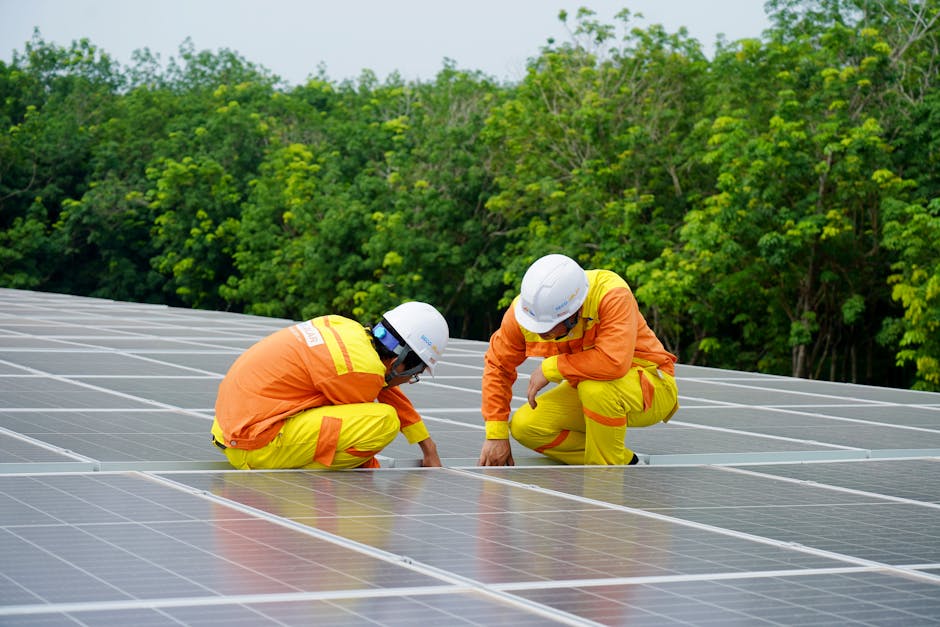
Many homeowners assume their solar panels won't generate much power during winter months. While it's true that shorter days and lower sun angles reduce output compared to summer, your system still produces significant electricity year-round. Understanding how winter affects your solar panels helps you get the most from your investment.
Solar panels actually perform better in cold weather than hot weather. Photovoltaic cells generate electricity more efficiently when temperatures are cooler, which means winter days can yield strong performance despite reduced daylight hours. The key is keeping your panels clean and unobstructed.
Snow and ice buildup is the primary concern for winter performance. Heavy snow can completely block sunlight from reaching your panels. However, snow typically slides off sloped roof installations on its own as the sun warms the surface. Flat or low-angle installations may need occasional attention. Most experts recommend avoiding climbing on your roof in dangerous winter conditions; instead, allow natural melting or contact a professional solar maintenance service.
Tree trimming becomes more important during winter. Deciduous trees lose their leaves, but bare branches can still cast shadows on your panels during the lower winter sun angles. Before winter arrives, examine your roof and identify any trees that might block the lower winter sun path. Schedule trimming if necessary to maximize light exposure.
Monitoring your system's performance helps you spot issues early. Most modern solar installations include monitoring apps that track daily output. Winter output naturally decreases, but you should notice consistent performance relative to the number of daylight hours. A sudden drop might indicate snow coverage, panel damage, or an inverter problem worth investigating.
Your inverter may require attention in very cold climates. Some inverters have minimum operating temperatures and shut down in extreme cold, though most modern equipment handles frigid conditions without issue. Check your system specifications and contact your installer if you live in an area with particularly harsh winters.
Consider your winter energy usage patterns. Many homes use more electricity for heating during cold months. This increased usage means your solar system faces higher demand precisely when it generates less output. Some homeowners strategically use supplemental heating or adjust thermostats slightly to reduce winter electrical consumption.
Battery storage adds another dimension to winter performance. If your system includes a solar battery, it can store excess production from sunny winter days for use when clouds roll in. This helps maximize the value of available winter sunlight.
Regular maintenance extends winter performance benefits. Keep your monitoring app accessible, clear debris from roof gutters, and trim back vegetation. Schedule a professional inspection before winter if your system is older. These simple steps ensure your solar installation performs reliably throughout the winter months, maintaining its contribution to your home's energy independence.